

What Contractor Signage and Temporary City Changes Can Reveal About Food Choices and Daily Eating Habits
The Centers for Disease Control and Prevention (CDC) notes that food choices are influenced by many factors beyond personal preference, including environment, access, and daily routines. Most people think eating habits begin with hunger or planning, yet small changes in surroundings often play a quiet role in shaping decisions.
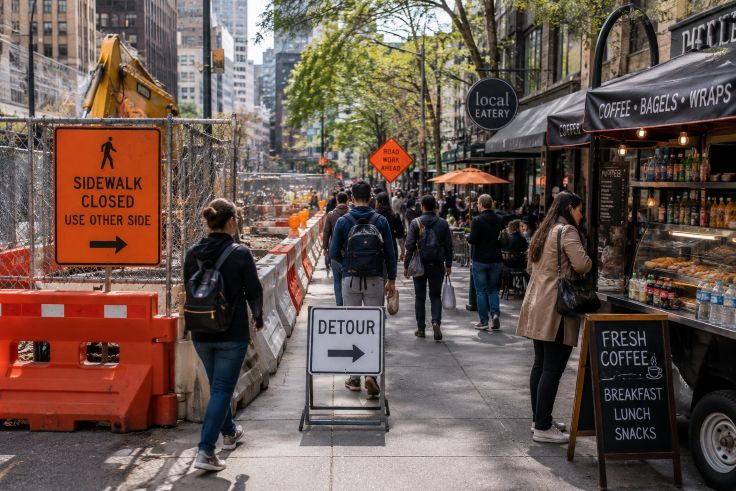
Construction activity is one example. Temporary walkways, road diversions, and directional markers regularly appear as cities maintain roads, utilities, and public spaces. Design references and urban navigation materials, including resources associated with contractor signs NY, show how these visual systems help guide movement through changing environments. While their main purpose is safety and direction, they also create subtle shifts in daily behavior that many people barely notice.
Small Environmental Signals Often Shape Routine Decisions
Most people follow predictable paths every day. Morning commutes, school drop-offs, walking routes, and lunch breaks often happen with very little thought. Over time these routines become automatic.
Then something changes. A sidewalk closes for repairs. A road lane disappears. Temporary barriers redirect pedestrian traffic. People suddenly find themselves walking down a different street or entering a familiar area from another direction.
These shifts may seem minor. Despite their small size, environmental cues frequently influence behavior in unexpected ways.
Research in behavioral science suggests that surroundings strongly affect everyday decisions. Studies discussed by Harvard T.H. Chan School of Public Health indicate that convenience and accessibility influence food selection patterns. People often choose options that are easier to reach, particularly when time pressure enters the picture.
How Route Changes Can Affect Food Exposure
Imagine someone who walks the same route to work each morning. They pass a coffee shop, a small grocery store, and a fruit stand every day. Weeks later, a utility project redirects foot traffic around another block.
Suddenly the routine changes.
Instead of passing the fruit stand, the new route goes by a bakery, several food carts, and a fast-food location. The person did not intentionally seek different meals. The environment introduced different choices.
Urban planners have long observed that visibility affects human behavior. Data from The National Institutes of Health shows that food environments and access patterns can influence dietary behavior. Seeing certain options repeatedly increases awareness and can affect future choices.
People may not immediately realize these influences are happening. They simply notice they stopped somewhere new for lunch.
Time Pressure Creates Convenience Decisions
Temporary city changes can also alter schedules.
Road work may slow traffic. Pedestrian diversions may add extra walking time. Parking adjustments sometimes create delays that ripple through the day.
These interruptions appear small when viewed individually. Together, they can compress available time and create pressure.
Experts from The American Heart Association note that time limitations often affect meal decisions. When people feel rushed, convenience frequently becomes a priority.
Someone who originally planned to prepare lunch at home may choose a quick meal while traveling. Others may skip meals entirely and rely on snacks later in the day.
None of these choices automatically indicate poor habits. They simply illustrate how environmental conditions can influence behavior.
Expected Habits Versus Real Daily Behavior
Many people believe eating decisions come from careful planning. The expectation often looks simple:
- Prepare meals in advance
- Follow a grocery list
- Stick to regular eating times
- Make intentional food choices
Daily reality often looks different.
- Unexpected delays interrupt schedules
- People encounter different food options
- Travel routes shift
- Convenience becomes important
These differences create an interesting contrast. Personal goals matter, yet environmental conditions sometimes influence actions more than expected.
Behavioral economists have discussed this idea for years. Stanford University researchers have explored how choice architecture affects decisions. Small changes in surroundings can create measurable differences in human behavior.
Practical Ways to Stay Aware During Temporary City Changes
Awareness does not require avoiding changing environments. Cities naturally evolve. Construction projects finish, roads reopen, and public spaces adapt over time.
Still, paying attention to routine disruptions can help people maintain consistency.
Recognize changes in routine
Notice when travel patterns suddenly change. Even minor route adjustments can affect schedules in ways that are easy to overlook. A temporary street closure, a redirected sidewalk, or additional traffic can add a few extra minutes to a commute. While the change may seem insignificant at first, small interruptions can gradually influence daily decisions.
For example, leaving home slightly earlier or arriving later than expected can shorten available time for meals and breaks. People may choose a faster option because it feels more convenient during a busy day. Others might skip a planned stop entirely because the route no longer fits their routine. Paying attention to these small shifts can help identify how environmental changes influence everyday habits before they become long-term patterns.
Prepare flexible food options
Portable snacks or prepared meals can reduce last-minute decisions during busy days. Environmental changes, such as temporary road work, traffic delays, or altered walking routes, sometimes create unexpected schedule disruptions. Having flexible food choices available can help maintain consistency even when routines shift.
Simple options such as fruit, nuts, yogurt, sandwiches, or prepared meals packed ahead of time can provide alternatives when access to planned food stops becomes less convenient. The goal is not to follow a strict routine but to create room for adjustment. Small preparations often help reduce decisions made under time pressure, especially when people are moving through unfamiliar routes or facing sudden changes in daily schedules.
Over time, adaptable habits may support greater awareness of food choices. Rather than reacting to every disruption, people can respond with options that fit changing circumstances while maintaining routines that feel manageable and realistic.
Observe convenience habits
Pay attention to repeated choices. Patterns often reveal more than isolated decisions. Some people also explore outside perspectives to understand how habits develop over time. Reading about stories exploring healthy eating habits and food awareness can offer another way to reflect on the relationship between daily routines, surroundings, and food decisions. While environments shape behavior in subtle ways, greater awareness often begins with observing personal patterns.
Allow Room for Adaptation
Rigid plans can become difficult when environments shift. Flexible routines may work better in changing conditions because daily life rarely follows a perfectly predictable pattern. Temporary construction activity, transportation delays, weather changes, or unexpected detours can alter schedules without warning. When routines are built around fixed expectations, even small disruptions can create stress and affect everyday choices.
Adaptation does not mean abandoning healthy habits or removing structure altogether. Instead, it means creating routines that can adjust when circumstances change. Someone who usually eats lunch at a certain location, for example, might identify a few alternative options nearby or keep simple food choices available when schedules become tighter. Small adjustments can make routine changes feel more manageable.
Research in behavioral studies often suggests that habits become more sustainable when they can adapt to real-life situations. A flexible approach allows people to respond to changing surroundings while maintaining consistency in the long term. As cities evolve and daily environments continue to shift, routines that leave space for adjustment may feel more realistic and easier to maintain over time.
Small Changes Often Reveal Larger Patterns
Temporary city modifications are usually designed around safety, traffic flow, and public movement. Directional displays, work-zone markers, and construction wayfinding systems exist to help people move efficiently through changing spaces.
Yet these adjustments sometimes reveal something broader. Human behavior responds to surroundings in ways that are easy to overlook.
A detour can change a walking path. A sidewalk closure can alter food exposure. A simple street guidance system can reshape daily routines without anyone actively noticing.
Temporary urban changes eventually disappear. The observations they create, however, often remain. Looking more closely at work-zone navigation signs and shifting city layouts may reveal that eating habits are connected to far more than personal preference alone.